


Opening
Are your best patient stories being kept a secret?
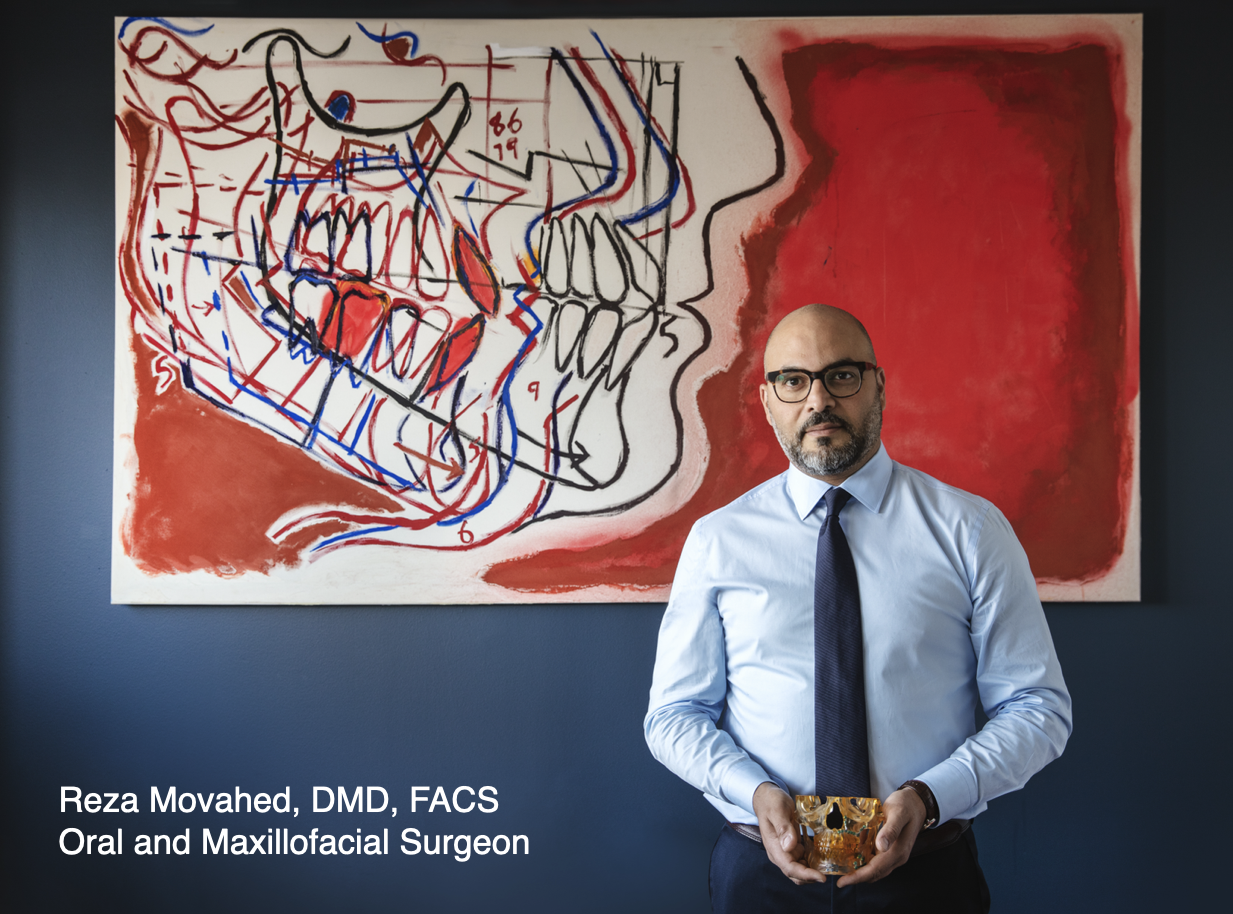
In this post I am going to share three examples I am especially proud of. They come from Dr. Movahed’s practice in St. Louis and they show dramatic, life changing transformations.
What makes these videos extraordinary is the honesty, the vulnerability, and the willingness of each patient to open up and share their journey.
As you watch them I want you to notice two things. First, the simple structure that holds each story together. Second, the humanity that shines through.
I have spent more than three decades interviewing patients and producing video testimonials, and I am still struck by how powerful these stories can be when they are told with care.
Why These Stories Matter
Testimonials do more than sell.
They give new patients courage.
They provide reassurance that someone like them walked in uncertain and walked out transformed.
When done well, they move beyond marketing. They become living proof of what is possible.
The Simple Structure That Works Every Time
The formula I use is straightforward.
Hook
The first three seconds matter. A single quote, a striking before and after, or a clean graphic can stop someone long enough to lean in.
Story
Every testimonial follows the arc of life before treatment, what happened during treatment, and what life is like now. Inside that arc we walk through three planes.
The emotional plane touches what it felt like.
The physical plane grounds the viewer in symptoms, treatment, and results.
The spiritual plane is the turning point. It is the move from hopelessness to hope.
Offer
The close is not a pitch. It is an invitation. Contact the office. Leave a comment. Take a next step if you feel ready.
The Interviewer and the Environment That Matters Most
When people ask me whether production quality is the key to a good testimonial, my answer is always the same. The real key is whether the patient feels safe enough to share their story.
That is where the interviewer comes in. The role of the interviewer is not to perform or to sell. It is to create an environment where the patient can relax, reflect, and be authentic on camera. The best interviews happen when the patient forgets the camera is even there.
What should you look for? Someone who listens well. Someone who can hold space with patience. Someone who can ask simple questions such as What was life like before treatment? What happened during treatment? What is life like now? Then step back.
A good interviewer guides the story across the emotional, physical, and spiritual planes but never forces the words.
Even the most experienced professional cannot manufacture authenticity. It only happens when a patient is willing to open up. The interviewer’s job is to respect that moment and make it easier. At the end of the day, the story belongs to the patient.
When to Keep It Simple and When to Invest
There is a place for both. An iPhone clip can work beautifully for a quick social moment. Professional production is different. It creates a library of stories that will serve your practice for years. It removes distraction so the focus stays on the patient.
My rule is simple. If the story is articulate and transformative, it deserves professional care.
How Long Is Too Long
There is no single answer. I have produced 15 minute testimonials that held attention the entire way through. Today I usually aim for two to three minutes.
The principle is simple. Keep it as long as it is compelling.
Three Transformations That Speak for Themselves
Chloe’s Story
Chloe lived with constant sinus infections and jaw pain. She struggled to sleep and doubted that anything could make her look or feel better. After treatment she has not been sick once. She sleeps through the night, has endurance, and describes herself as a happier person.
Jane’s Story
Jane lived with facial asymmetry and pain for more than twenty years. She was dismissed by dentists until one orthodontist validated her concerns. Surgery corrected the growth and relieved the pain, but it also forced her to adjust to a new face she barely recognized. Her honesty about that process makes her story unforgettable.
Andrew’s Story
Andrew fought sleep apnea and arthritis in his jaw for years. CPAP machines offered no real relief, and one surgeon told him nothing meaningful could be done. After surgery his sleep apnea is completely gone. He calls it a once in a lifetime decision that gave him a new quality of life.
Your Practice Already Has Stories
These three cases are dramatic. They involve surgery and visually dramatic outcomes. But every practice has transformation stories waiting to be told.
Maybe it is the patient who finally smiles in photos. Maybe it is the parent who rests easier knowing their child can breathe at night. Maybe it is the person who regained a pain free life after years of discomfort.
The scale of the treatment is not what makes the story powerful. Authenticity does.
Closing
Video testimonials are not about salesmanship. They are about trust.
When the structure is sound, when the interviewer guides with empathy, and when the production is handled with care, the result is not just a video. It is a story that gives new patients the courage to choose you.
The stories are already in your practice. They are simply waiting to be told.